Astrocartography Explained: Can a Different City Change Your Life?
You visit a new city and immediately imagine living there. Another place looks perfect online, yet feels uncomfortable when you arrive. Such experiences have helped make location-based astrology an appealing subject for people interested in travel, relocation and personal identity. The practice is called astrocartography. It connects a birth chart with a world map—but what do its lines actually represent? Before treating a destination as your “perfect place,” it helps to understand both the idea and its limitations. What Is Astrocartography? Astrocartography is a form of locational astrology that projects information from a birth chart onto a geographical map. Its lines indicate places where particular celestial bodies were rising, setting, culminating overhead or at the opposite angle at the moment of birth. Practitioners attach symbolic meanings to these planetary and angular relationships. They may discuss locations in connection with themes such as visibility, relationships, responsibility or personal expression. These are astrological interpretations, rather than scientifically established effects of a place. Why Does the Map Have So Many Lines? An astrocartography map contains several lines because it represents different celestial bodies and their relationships with the chart’s main angles. It is not simply a map showing one fortunate country and one unfortunate country. A practitioner may consider more than one factor when discussing a location. Reducing the entire map to “move here and everything improves” removes much of the context—even within the astrological method. Why Are People Interested in It? Travel and relocation involve questions that are both practical and personal. Where might I feel comfortable? What kind of environment suits my goals? Am I looking for professional opportunity, a different pace of life or a fresh start? Astrocartography gives people a symbolic framework for exploring these questions. Its visual maps also make it easy to discuss online. However, an engaging map is not evidence that a location will produce a particular result. Can Moving Change Your Birth Chart? Your original birth chart remains tied to your birth moment and birthplace. A relocation chart is a related astrological technique that uses another location while retaining the same birth moment. It is a different calculation, not a new birth. If you explore these methods, ask which one is being used and what information it can reasonably provide. Do not assume that moving automatically changes your personality, opportunities or future. What Information Is Needed? A personalised map normally uses your date, time and place of birth. An uncertain birth time can affect the placement of the angular lines. Explain any uncertainty rather than presenting an approximate time as exact. Also clarify your question. Comparing two possible study destinations is more focused than asking a map to identify the single best place on Earth. Five Things to Check Before Considering a Move Write down what you want to change. A clearer purpose makes it easier to compare locations realistically. Look at actual openings, qualifications and entry requirements. A promising interpretation does not create an available job or university place. Check accommodation, transport and routine living expenses. A destination needs to work beyond the holiday experience. Consider language, community, friends and family contact. These can shape daily life more directly than a symbolic map. Where feasible, spend time in the place before making a major commitment. Notice the commute, neighbourhood and ordinary weekday routine. Use astrocartography, if it interests you, alongside this research. Does a Difficult Line Mean You Should Avoid a Place? An astrological label should not become a reason to fear a city. Places are complex, and experiences depend on circumstances. A supportive employer, suitable home and strong friendships matter. Similarly, a location described positively cannot guarantee happiness or success. Ask for balanced explanations rather than absolute promises. Frequently Asked Questions Is astrocartography the same as a travel recommendation? No. It is an astrological interpretation, not an assessment of a destination’s current conditions. Can it guarantee success after moving? No. Outcomes depend on many personal and practical factors. Is it identical to Vedic astrology? No. Astrocartography is a distinct technique commonly discussed within modern Western astrology. Ask whether a practitioner offers it. Can I explore it without planning a move? Yes. You can approach it as a subject of curiosity and reflection. Explore the Map, Understand the Decision Astrocartography offers an unusual way to discuss the relationship between identity and place. Its most thoughtful use begins with questions, not promises. Learn what the symbols mean, recognise the limits of interpretation and research the destination itself. A new city may offer new experiences. Building a satisfying life there still involves practical choices, relationships and effort.
Mercury Retrograde 2026: Why Everyone Is Talking About Communication
A message gets misunderstood. A meeting changes at the last minute. An old conversation suddenly returns. On social media, these everyday situations often receive the same explanation: “Mercury is retrograde.” With Mercury’s October–November 2026 retrograde period running from October 24 to November 13, the subject is back in astrology conversations. But what does retrograde actually mean, and how should you understand the claims surrounding it? Here is a clear guide to the astronomy, the astrological interpretation and the practical habits worth keeping. What Does Mercury Retrograde Actually Mean? Mercury does not physically reverse direction in its orbit. Retrograde describes an apparent backward movement against the background stars when viewed from Earth. This happens because Earth and Mercury move around the Sun at different speeds and occupy changing positions relative to each other. The apparent movement is an astronomical observation. The idea that it influences communication or personal events is an astrological interpretation. Understanding this distinction makes the subject easier to explore without confusion. Why Is Mercury Associated with Communication? Within astrology, Mercury is commonly associated with communication, information, learning and exchanges. Astrologers therefore often describe its retrograde periods as times to revisit conversations, review plans and reconsider how information is being shared. Some readers use this symbolism as a reminder to slow down. However, it does not establish that Mercury causes a missed call, a broken device or an argument. Everyday problems still deserve everyday investigation. Does Mercury Retrograde Affect Everyone in the Same Way? A general social-media post cannot describe every person’s circumstances. Even within astrology, practitioners interpret a transit alongside other chart factors. A statement written for an entire zodiac sign is much broader than a personal discussion. Your workload, communication habits, relationships and environment also matter. If several deadlines are being missed, checking your schedule may be more useful than assuming a planetary explanation. Five Communication Habits Worth Reviewing Check whether your message explains what you actually need. Include the relevant date, action and deadline instead of relying on the other person to guess. For appointments, confirm the time, location and time zone where relevant. A brief confirmation can prevent an unnecessary misunderstanding. A short reply does not automatically mean someone is angry. If the meaning is unclear, ask a calm question rather than building a conclusion around it. “The meeting moved to Friday” is a fact. “They do not respect my time” is an interpretation. Establish what happened before deciding what it means. If you are upset, give yourself time to choose your words. Returning to a discussion calmly can be more useful than sending several messages in frustration. These habits are useful throughout the year, regardless of planetary timing. What About Someone from the Past Returning? Astrology content often connects retrograde periods with old relationships or unfinished conversations. A returning message, however, does not prove that a relationship is destined to restart. Consider the actual person and your shared history. Has anything changed? Are your boundaries being respected? Do you want the conversation? A date on an astrology calendar cannot answer those questions for you. Should You Put Your Life on Hold? You do not need to stop ordinary responsibilities because a planet appears retrograde. Read important documents, clarify arrangements and make decisions using the information available. If something is unclear, investigate the uncertainty itself. For those interested in astrology, this period can serve as a symbolic prompt for reflection rather than a reason to expect difficulties. Frequently Asked Questions Is Mercury really moving backwards? No. The backward movement is apparent from Earth’s viewpoint. Does retrograde prove that technology will fail? No. Technical problems should be checked for practical causes. Will every person experience relationship problems? No. Such a claim cannot account for individual circumstances. What is a useful way to approach this period? Use it as an optional reminder to review communication while keeping evidence and personal judgement central. Turn Curiosity into Understanding Mercury retrograde is more useful to explore when the discussion moves beyond alarming predictions. Understand the astronomy, recognise the symbolism and pay attention to the choices within your control. For questions about how transits are interpreted within astrology, enquire about a consultation with Dr. Shashaank Dixit. Explore Your Astrology Questions
Puja and Astrology : Understanding Sankalp, Kundli and Spiritual Practice
A lit diya, a carefully arranged puja thali and a moment of prayer are familiar parts of many Hindu homes. Astrology may also enter the conversation when a family discusses a kundli, a ceremony or an auspicious time. But how are these practices connected? Is a birth chart necessary for everyday worship? And what should you ask before following a personalised recommendation? Understanding the difference between devotion, intention and astrological interpretation can help you approach these traditions with greater clarity. What Is Puja?Puja is an act of Hindu worship. Depending on the tradition, it may involve prayer, flowers, water, a lamp, food offerings or other gestures of reverence. It can be a simple household practice or a more elaborate ceremony. There is no single format followed by every Hindu family. Customs vary by region, community, deity and religious lineage. The practice you learnt at home may therefore differ from a ceremony you see in a temple. What Does Sankalp Mean?Sankalp, or sankalpa, is the statement of intention associated with a practice. During a formal puja, it identifies the purpose for which the worship is being undertaken. For a beginner, the useful distinction is between performing an action mechanically and understanding why you are doing it. Ask the priest to explain the intention and any words you do not understand. A personal reflection might be: “I am setting aside this time for gratitude, patience and thoughtful action.” This is an example of intention in plain English, rather than a replacement for a prescribed ritual formula. What Do the Items on a Puja Thali Represent?A puja thali brings the materials for worship together in one place. Depending on the ceremony, it may hold a diya, flowers, incense and offerings. These items are part of devotional practice; the exact selection and order depend on the tradition being followed. A photograph of one thali is an illustration, rather than a universal checklist. Before arranging a formal ceremony, ask which materials are actually needed. A clear list helps you avoid unnecessary purchases and makes preparation easier. How Is a Kundli Connected with Puja?A kundli is an astrological birth chart calculated using a person’s date, time and place of birth. Within Jyotish traditions, practitioners may refer to it when discussing personalised practices or interpreting life themes. That does not make a birth chart a requirement for all worship. Everyday devotion and an individual astrological consultation serve different purposes. You can ask about their relationship without assuming that every prayer must be based on a chart. If a recommendation is described as specific to your kundli, request a clear explanation of the interpretation behind it. A general suggestion should not be presented as though it came from an individual analysis. What Is the Role of Muhurat?Muhurat refers to a time considered auspicious within an astrological tradition. Families may enquire about it when planning an important ceremony or beginning a new activity. A generic time mentioned online is not automatically suitable for every location or purpose. If you seek a personalised recommendation, provide the event, location and available dates, and explain any practical constraints. Ask whether the suggested timing follows a general calendar practice or an individual chart-based interpretation. This makes the advice easier to understand and helps you plan realistically. Five Questions to Ask Before a Personalised Puja Recommendation How to Prepare for a ConsultationWrite down the question you want to discuss. For an astrological reading, gather your available birth details and mention any uncertainty about the recorded time. If your enquiry concerns a ceremony, explain its purpose and any established family customs. You can also share practical preferences such as an online discussion, an in-person appointment or a limited budget. Keep notes during the conversation. Before acting on a recommendation, make sure you understand both its religious meaning and the practical arrangements. Frequently Asked QuestionsDo I need a kundli for daily puja?A birth chart is not a universal requirement for everyday Hindu worship. Follow the practice appropriate to your tradition, and ask a trusted priest if you need clarification. Is sankalp the same as making a wish?In a ritual setting, sankalp expresses the intention or purpose of the worship. Its form can be more specific than a casual wish. Does everyone need the same puja materials?No. Materials vary with the deity, ceremony and religious tradition. Obtain a suitable list instead of copying an unrelated photograph. Can puja guarantee that an astrological difficulty will disappear?No particular external result can be guaranteed. Puja can be approached as a devotional practice; astrological interpretations belong to a traditional belief system, rather than scientifically established prediction. Discuss Your Questions with Dr. Shashaank DixitIf you would like to understand an astrological recommendation or enquire about a kundli consultation, contact Dr. Shashaank Dixit’s team in Kanpur. Share your question and available birth details, then confirm the relevant service, fees and appointment availability. For ceremony-specific instructions, ask who will provide the religious guidance and what the arrangements include. Enquire About a Personal Consultation
What Is Vedic Astrology? A Beginner’s Guide to Your Kundli
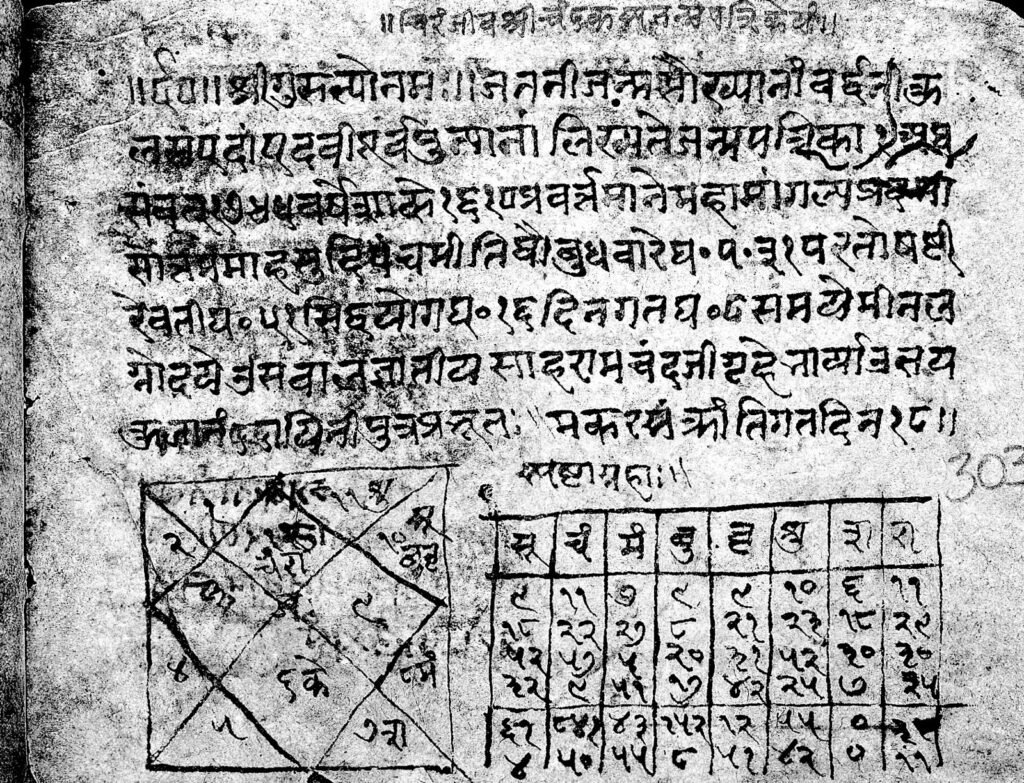
Have you ever wondered what a kundli represents, why astrologers ask for your birth time, or how your Moon sign differs from your Lagna? For someone new to astrology, these terms can feel confusing. Understanding the basics can help you follow an astrological discussion and prepare thoughtful questions before a consultation. Vedic astrology, commonly known as Jyotish, is a traditional Indian system that interprets celestial positions in relation to human life. People often explore it when reflecting on their personality, relationships, career direction or changing circumstances. This guide explains its main concepts in simple language. What Is Vedic Astrology? Vedic astrology uses calculations of celestial positions alongside traditional rules of interpretation. A practitioner prepares a chart and examines the relationships between signs, houses and celestial bodies. Within this tradition, different chart factors are associated with different aspects of life. An astrologer considers these factors together when offering an interpretation. Astrology also has a long written heritage. Historical Sanskrit works, including the Brihajjataka attributed to Varahamihira, form part of India’s astrological literature. These texts help document how the tradition has been studied and transmitted. Today, some people approach astrology as a cultural or spiritual practice, while others use a consultation as an opportunity for personal reflection. What Is a Kundli or Birth Chart? A kundli, also called a Janam Kundli or birth chart, is prepared using three details: It represents celestial positions calculated for that particular moment and location. The astrologer then interprets the chart according to the methods they practise. A useful way to understand the difference is this: a general horoscope addresses a large group of people, while a kundli uses an individual’s birth details. However, a personalised chart should not be treated as a fixed script for someone’s life. Your circumstances, decisions, opportunities and actions remain important. Why Does Your Birth Time Matter? Within astrological calculations, birth time affects the ascendant and house placements. An inaccurate time can therefore change parts of the chart and its interpretation. Before booking a consultation, check whether your birth time comes from a birth record, a family note or someone’s memory. Explain how certain you are about it. If you only know an approximate time, mention the possible range. For example, “between 6:00 and 6:30 in the morning” is more helpful than presenting an uncertain time as exact. If your birth time is unknown, ask what can reasonably be discussed using the information available. Birth-time rectification is an interpretive astrological process; it does not establish a missing time with certainty. Understanding Lagna, Rashi and Nakshatra These are three terms you may hear during a Vedic astrology consultation. Lagna: The Ascendant Lagna refers to the zodiac sign rising on the eastern horizon at the time and place of birth. Astrologers use it as an important reference point when interpreting a birth chart. Within the tradition, it is associated with themes such as a person’s approach to life and outward expression. Moon Sign: Chandra Rashi The Moon sign is the zodiac sign occupied by the Moon in the birth chart. In many Vedic astrology discussions, the word “Rashi” refers to the Moon sign. Astrologers traditionally connect it with emotional tendencies and inner responses. Your Moon sign and Lagna may be different because they describe different positions in the chart. Nakshatra: A Further Division Nakshatras are divisions of the zodiac used in Vedic astrology. Practitioners often discuss the nakshatra occupied by the Moon at birth as another part of their interpretation. A nakshatra should be considered alongside the rest of the chart rather than used on its own to define someone’s personality or future. What Are the Twelve Houses? A birth chart contains twelve houses, traditionally called bhavas. Astrologers associate these with different areas of life. For example, some houses are connected with family, learning, work, partnerships or personal resources. A practitioner may examine a house, its associated sign, its ruling planet and other chart relationships before discussing a theme. This is why a single placement is not enough to support a sweeping conclusion. Statements such as “one planet guarantees success” or “one placement means your marriage will fail” oversimplify the tradition and can create unnecessary worry. What Are Dashas and Transits? Dashas and transits are two methods astrologers use when discussing timing. Dashas Dashas are periods calculated within particular astrological systems. Practitioners interpret them as periods in which certain planetary themes may receive greater emphasis. Transits Transits refer to the ongoing movement of celestial bodies. Astrologers may compare these positions with a person’s birth chart. These methods are interpreted together with other factors. They should not be presented as guarantees that a specific event will happen on a particular date. Why Can Two People with the Same Rashi Have Different Lives? Sharing a Moon sign does not mean sharing an identical birth chart. Two people may have different ascendants, planetary placements, house relationships and birth locations. Their families, education, health, opportunities and personal choices will also differ. A general horoscope cannot account for every individual circumstance. Read broad predictions with that limitation in mind. What Can You Discuss During a Consultation? A consultation can provide space to explore questions through an astrological perspective. Common discussion areas include: Specific questions usually lead to a more focused conversation. Instead of asking only, “Will I be successful?”, you could ask, “How do you interpret career themes in my chart, and what are the limitations of that interpretation?” You can also ask the practitioner to explain unfamiliar terms. A consultation should leave you with a clearer understanding of what was discussed. How to Prepare for Your First Astrology Consultation Gather Your Birth Details Keep your birth date, recorded time and birthplace ready. Mention any uncertainty before the chart is analysed. Write Down Your Main Questions Choose two or three topics that matter most to you. This helps you make good use of the available consultation time. Share Relevant Context Briefly explain your present situation where needed. A career question, for example, is easier to discuss when the
How to Prepare for Your First Astrology Consultation
Your first astrology consultation is an opportunity to discuss the questions that matter to you. Whether you are reflecting on career direction, relationships, family matters or a personal transition, a little preparation can help you have a clearer, more focused conversation. Here is a simple checklist to follow before your appointment. Keep your date of birth, birth time and birthplace ready. If possible, check these against an available birth record. If your birth time is approximate or unknown, mention this when booking. Avoid guessing or presenting an uncertain time as exact. Ask what can be discussed using the information you have. Choose three to five questions you would like to explore. Specific questions help explain your situation and keep the discussion focused. For example: You do not need to prepare perfect questions. A short explanation of what is happening in your life is a useful starting point. Before booking, ask which service fits your enquiry. Astrology, palmistry, numerology, Vastu and gemstone guidance may involve different information and consultation scopes. If you are interested in a combined analysis or written report, confirm what is included, its format and the expected delivery time. Ask about the consultation fee, duration, available appointment times and whether the session will take place online, by phone or in person. For an online appointment, choose a quiet place and check your internet connection. If you live outside India, confirm the appointment time in both time zones. Have a notebook ready for points you want to remember. Ask for clarification whenever an explanation is unclear. Before the session ends, check whether follow-up questions are included or require a separate appointment. Astrology is a traditional interpretive practice. A consultation should not be treated as a guarantee of future events or a substitute for qualified medical, legal or financial advice. Use the conversation as a perspective for reflection while considering your circumstances and practical choices. Enquire About a Consultation To discuss consultation options with Dr. Shashaank Dixit in Kanpur, contact the team with your preferred service and appointment availability. WhatsApp: +91 8840048390Email: shashank.thalaj@gmail.com